
 www.walmart.com ```html
 Opening: Light Up Your Workspace with a DIY Workbench! Building a sturdy workbench with integrated lighting can transform your garage, basement, or workshop into a more productive and enjoyable space. This guide provides a detailed, step-by-step process to create your own illuminated workbench, tailored to your needs and preferences.
Step 1: Planning and Design Before you start cutting wood, it's crucial to plan your workbench. Consider these factors: Size: How much space do you have available? What size workbench will best suit your projects? Height: Aim for a comfortable working height. A general rule is to measure from the floor to your wrist when your arm is bent at a 90-degree angle. Materials: Plywood, 2x4s, and 4x4s are common choices for a sturdy workbench. Consider the wood's quality and suitability for your intended use. Lighting: Decide on the type of lighting you want to integrate. LED strip lights or under-cabinet lights are popular options. Storage: Will your workbench include drawers, shelves, or other storage solutions? Sketch out your design, including dimensions and placement of components. This will serve as your roadmap throughout the building process.
Step 2: Gathering Materials and Tools Once you have a design, create a list of materials and tools you'll need. Lumber: Based on your design, purchase the required amount of plywood, 2x4s, 4x4s, and any other wood. Fasteners: Screws, nails, wood glue, and bolts will be necessary for assembly. Lighting: Purchase your chosen lighting fixtures, power supply, and wiring. Tools: Circular saw, miter saw (optional), drill, screwdriver, measuring tape, level, safety glasses, and sandpaper are essential. Safety Equipment: Always wear safety glasses and ear protection when cutting or drilling. Make sure you have everything on hand before you begin construction.
Step 3: Building the Workbench Frame The frame provides the structural support for your workbench. Cut the Legs: Cut four 4x4s to the desired height of your workbench. Ensure they are all the same length. Assemble the Frame Sides: Cut 2x4s to form the top and bottom rails of the frame. Use screws and wood glue to attach these rails to the legs. Connect the Sides: Cut 2x4s to connect the two frame sides, creating the overall workbench frame. Ensure the frame is square and level during assembly. Add Support Rails: Install additional 2x4 rails along the bottom of the frame for added strength and to support a lower shelf, if desired. Double-check all connections for stability.
Step 4: Creating the Workbench Top The workbench top is the working surface. Cut the Plywood: Cut the plywood to the desired dimensions for your workbench top. Attach the Plywood: Secure the plywood to the frame using screws and wood glue. Consider using multiple layers of plywood for increased durability. Reinforce the Edges (Optional): Add 2x4 trim around the edges of the plywood for a more finished look and to protect the edges from damage. Sanding: Sand the top surface smooth to remove any splinters or rough edges. Ensure the top is securely attached to the frame.
Step 5: Integrating the Lighting Now, install your chosen lighting. Mount the Lights: Position your lighting fixtures (LED strips, under-cabinet lights, etc.) according to your plan. Consider how the light will illuminate your work area. Wiring: Carefully wire the lights to a power supply. Ensure all connections are secure and follow local electrical codes. If you are not comfortable with electrical work, consult a qualified electrician. Conceal Wiring: Route the wiring neatly and conceal it behind the workbench or within channels to prevent damage. Test the Lights: Before completing the project, test the lights to ensure they are functioning properly. Safety is paramount when working with electricity.
Step 6: Adding Storage (Optional) If your design includes storage, now's the time to add it. Shelves: Build and install shelves below the workbench top using plywood or other suitable materials. Drawers: Construct and install drawers, using drawer slides for smooth operation. Pegboard: Attach a pegboard to the back of the workbench for hanging tools. Customize the storage to meet your specific needs.
Step 7: Finishing Touches Finalize your workbench with these finishing touches. Sanding: Give the entire workbench a final sanding to smooth any rough spots. Painting/Staining: Apply paint, stain, or a clear coat to protect the wood and enhance its appearance. Sealing: Apply a sealant to the workbench top to protect it from spills and stains. Cable Management: Add cable ties or clips to manage any remaining wires. These steps will make your workbench more durable and aesthetically pleasing.
Conclusion: Enjoy Your Illuminated Workspace! You've now successfully built your own workbench with integrated lighting! This DIY project provides a customized, functional, and well-lit workspace for all your projects. Enjoy your new, improved workshop!
``` "bentism 48x24"" Workbench With Power Outlets, 1500w, 220lbs Load, Heavy-duty Steel"
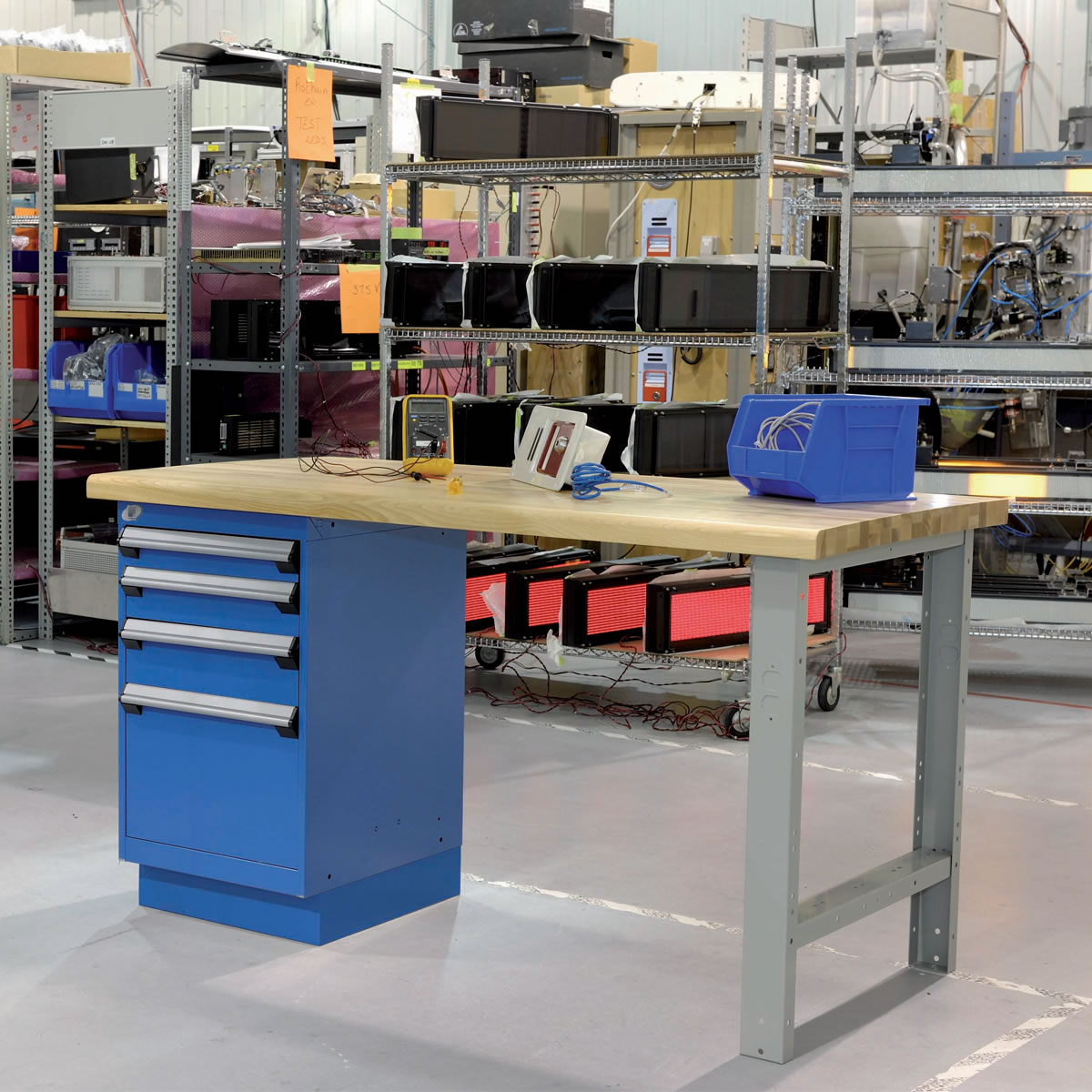
www.walmart.com Workbenches & Industrial Workbench Systems
 vitalvalt.com
 Craftsman Stationary Work Bench: 29-1/2" Wide, 18" Deep, 40-1/4" High, Black Red 23167927 Msc
 atelier-yuwa.ciao.jp


0 comments:
Post a Comment